

The service life of a synthetic running track is affected by factors such as material quality, installation quality, usage frequency, weather conditions, and routine maintenance.
In general, synthetic running tracks can remain in service for many years. Under normal conditions, the surface of a heavily used synthetic running track may require renovation after around 8–10 years. However, the actual timing depends on the track’s usage conditions and maintenance level.
Material Quality
Different track materials and system structures have different levels of durability. High-quality raw materials and well-designed formulations can help the track maintain stable elasticity, wear resistance, and athletic performance over the long term.
Therefore, when purchasing a running track, it is important not to compare products based on price alone. You should also consider the materials, system structure, and expected service life of the product.
A Prefabricated Track Built for Extended Durability
JRace’s prefabricated running track, for example, uses a carefully engineered two-layer structure. The specially designed bottom layer bonds strongly with polyurethane adhesive, while also delivering good shock absorption and vertical deformation. The surface layer resists spikes, weathering, aging, and slipping.
Its Special Rubber Formula is designed for an extended service life of up to 15 years, with super strong UV resistance for lasting color stability, strong and stable bonding to reduce the risk of separation, and competition-grade physical performance.
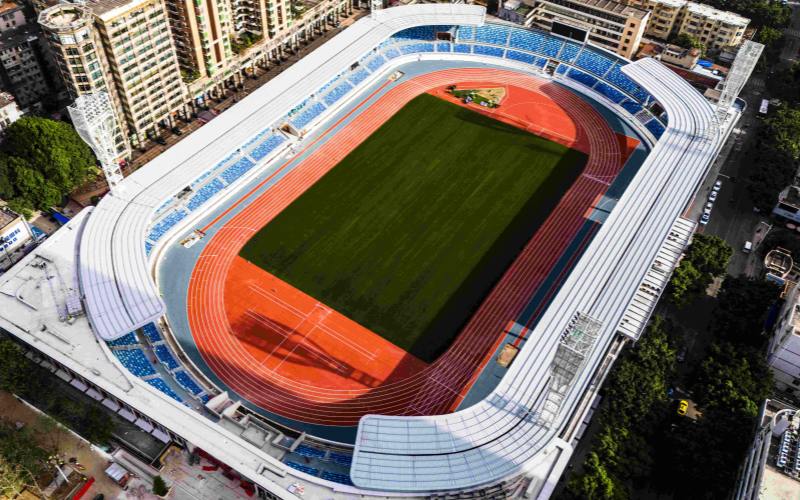
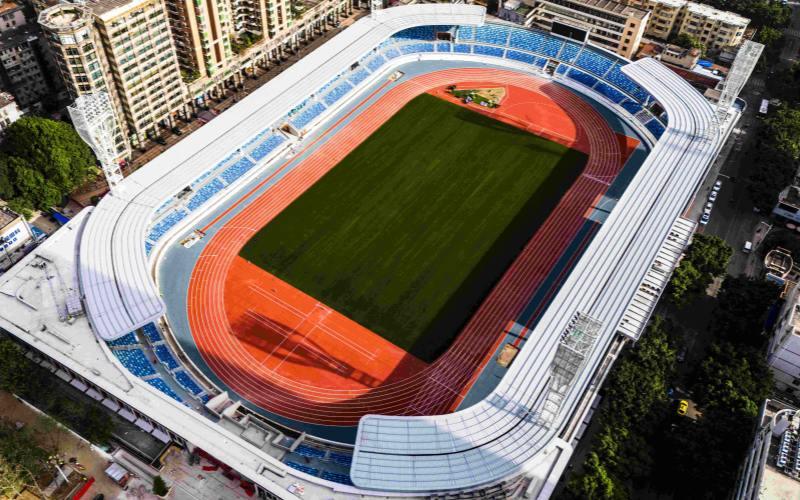
The same prefabricated system has been supplied for projects in multiple countries, including the main venue of the China National Games, Guangdong Provincial Gymnasium.
Installation Quality
Installation quality is equally important to the long-term performance of a running track.
If the base preparation is inadequate, or if problems occur during drainage or installation, even high-quality track materials may experience performance issues over time. The quality of the track foundation, drainage system, and synthetic surface installation can all affect the long-term performance of the facility.
As an example of scale, JRace has supplied and installed more than 100 million square meters of sports flooring worldwide, with over 20 years of installation and technical guidance experience. JRace also provides professional international logistics services, and a dedicated technical team evaluates local conditions to propose suitable installation and design solutions.
Usage Frequency
The more frequently a running track is used, the more wear it will generally experience.
A school track used every day for physical education classes and training will naturally experience different levels of wear compared with a community sports facility that is used occasionally. High-intensity training and competition venues should pay particular attention to surface wear.
Weather and Environmental Conditions
Outdoor running tracks are continuously exposed to sunlight, rain, and temperature fluctuations. Over time, UV exposure, moisture, and temperature changes can affect the track surface.
Therefore, proper drainage design and materials suitable for the local climate are also important for extending the service life of a synthetic running track.
JRace’s running track sample has passed a 1,500-hour accelerated aging test, demonstrating strong weather resistance and excellent color stability.
Routine Maintenance
Regular cleaning, keeping drainage systems clear, and addressing minor damage promptly can all help maintain the condition of a running track.
If cracks, bubbling, localized wear, or other visible problems appear on the track, it is recommended to inspect and repair them promptly rather than waiting until the damage becomes more extensive. Timely surface repairs and regular renovation can help prevent localized problems from developing into more serious overall damage.
Routine maintenance is covered in more detail in our guide, Running Track Maintenance: How to Extend Synthetic Surface Life, which includes daily cleaning routines, seasonal care strategies, facility usage rules, and annual inspection checklists.
| Factor | How It Affects Service Life |
|---|---|
| Material Quality | Raw materials and formulation determine long-term elasticity, wear resistance, and athletic performance |
| Installation Quality | Base preparation, drainage, and surface installation affect the facility’s long-term performance |
| Usage Frequency | More frequent use means more visible wear; high-intensity venues need closer attention to surface wear |
| Weather and Environmental Conditions | UV, moisture, and temperature changes affect outdoor surfaces over time; drainage design and climate-suitable materials help |
| Routine Maintenance | Regular cleaning, clear drainage, and prompt repair of minor damage help maintain track condition |
How Can You Extend the Service Life of a Synthetic Running Track?
Simply put, you can remember these five points:
The service life of a synthetic running track is not determined by the material alone. Materials, installation, usage, and maintenance all work together to determine how long the track can maintain good performance.
Therefore, when purchasing a running track, instead of simply asking “How many years will it last?”, it is better to also understand the product’s quality, installation requirements, maintenance requirements, and expected service life, and then make a choice based on the actual needs of the project.
JRace specializes in the R&D and manufacturing of synthetic running tracks, sports courts, and professional sports flooring materials. We provide a range of sports surface solutions, including Spray Coat Running Track, Full PU Running Track, Full PU Mixed Type Running Track, Sandwich Running Track, Semi-prefabricated Running Track, and Prefabricated Rubber Track, together with professional technical support and installation guidance, helping clients create safe, durable, and high-performance sports facilities.