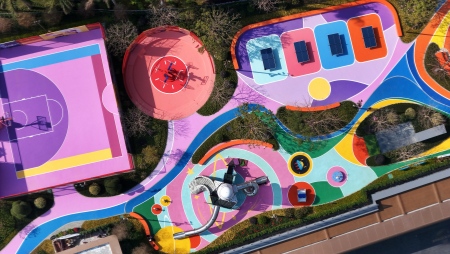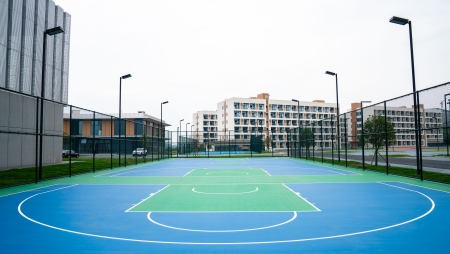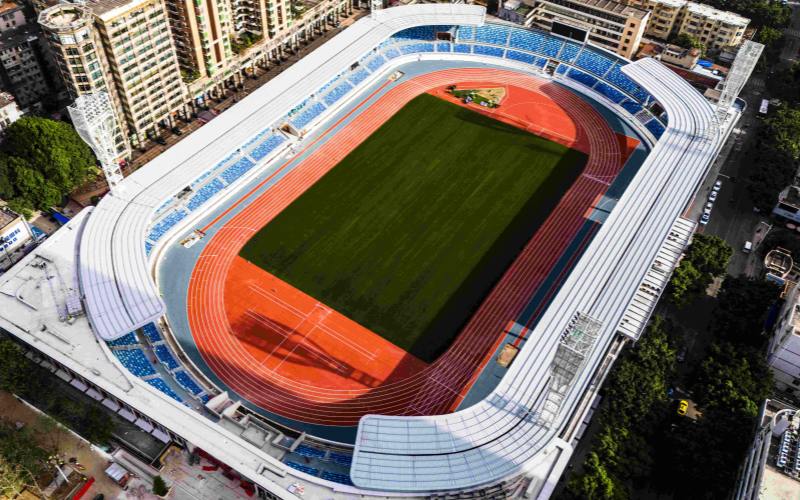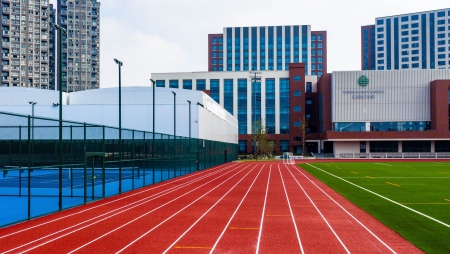


To choose the right running track surface, compare the track system’s intended use, installation method, certification needs, environmental requirements, maintenance plan, and total project cost. Schools and community facilities may prioritize drainage and practical upkeep, while competition venues may need a system with certification appropriate to their event requirements. Start by defining the venue’s needs, then compare documented product specifications and supplier capabilities.
1. Understand the Main Types of Synthetic Track Surfaces
Synthetic athletics tracks generally include poured-in-place systems and factory-made prefabricated systems. Their construction, surface characteristics, installation process, and suitability can differ. The following overview can help project teams shortlist options; actual performance depends on the complete system, product specification, base, and workmanship.
| Track System | Typical Installation | General Characteristics | Potential Applications |
|---|---|---|---|
| Breathable / Porous | PU binder and rubber granules are mixed and installed on site. | Water can drain through the porous structure. Drainage performance depends on the system design and site conditions. | Schools and community facilities, including projects where surface drainage is an important consideration. |
| Full-PU | A multi-layer polyurethane system is applied on site. | Can provide a continuous surface and designed shock absorption. Performance depends on system build-up and installation quality. | School tracks, training facilities, and venues seeking a polyurethane system. |
| Prefabricated Rubber | Factory-manufactured rolls are installed and bonded to a prepared base. | Factory production can support consistent thickness and product characteristics. The installed result still depends on substrate preparation and workmanship. | Competition and other projects where the specified prefabricated system meets the venue’s requirements. |
| Semi-Prefabricated | A prefabricated layer is combined with cast-in-place materials, according to the selected system. | Combines factory-made and on-site components. System details and performance vary by design. | Projects where the system configuration aligns with technical requirements, budget, and construction conditions. |
Do not assume that one construction type is automatically suitable for every project. Compare the full system specification, approved installation method, substrate requirements, local climate, and available installation expertise. Ask suppliers to clarify curing or installation schedules and the conditions that may affect them.
2. Check Certifications and Project Requirements
Before choosing materials, identify whether the facility is intended for recreation, training, school sports, or certified competition. Confirm which approvals apply to the project and whether certification covers the exact product and system being proposed.
World Athletics
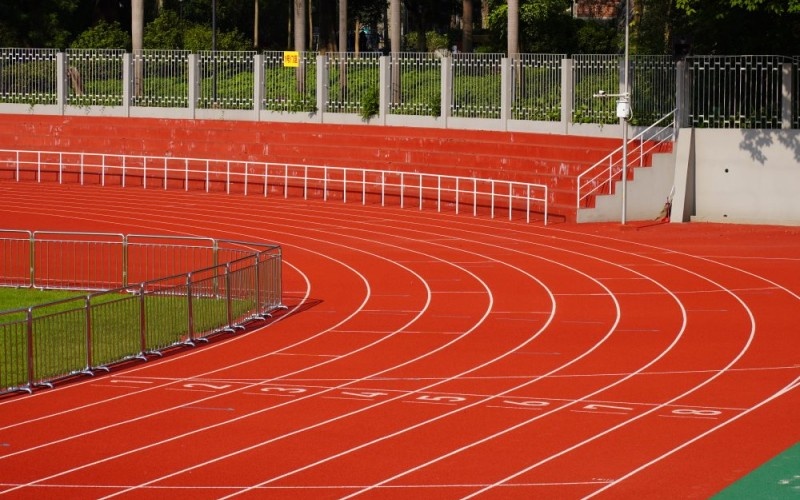
World Athletics publishes requirements and certification pathways for athletics facilities and track products. If the venue is intended to host competitions, confirm the applicable facility classification and product requirements directly with World Athletics and the relevant governing body. Do not treat a supplier’s general certification statement as proof that every configuration or completed venue is certified.
National and local requirements
Requirements vary by country, project owner, and venue type. Check applicable construction codes, sports federation rules, environmental requirements, and procurement specifications early in the planning process. Where a project requires local approval, confirm the documentation and testing procedure with the relevant authority.
3. Prioritize Environmental Safety
For school and community projects, environmental safety should be considered alongside physical performance. Request current test reports for the proposed running track surface material and confirm that the reports match the product formulation, intended use, and applicable local requirements.
When evaluating supplier documents, check the issuing laboratory, test date, tested product name, sample identification, and scope of testing. A report for one product or formulation should not automatically be assumed to cover another.
4. Consider Cost and Long-Term Value
The purchase price of the surfacing material is only one part of a track project budget. Total project costs may also include ground preparation, the base and drainage system, asphalt works, installation, testing, logistics, and construction supervision. A 400-meter, 8-lane track may cover approximately 7,200 m², but the actual area depends on the design and project scope.
Compare quotations on the same basis. Ask each supplier to specify what is included and excluded, the proposed system thickness, estimated material quantities, site requirements, warranty terms, and maintenance recommendations. A lower initial price may not represent better value if it involves higher upkeep or earlier repair needs.
5. Choose a Supplier with Integrated Service Capabilities
Installation quality has a direct bearing on the finished facility. Assess whether the supplier can support the project from technical review and material supply through installation guidance and after-sales assistance.
Project preparation: Can the team review drawings, site conditions, and substrate readiness?
Technical documentation: Can it provide product specifications, relevant test reports, and clear installation instructions?
Construction support: Is technical guidance or training available for the project location?
Quality management: Are material batches, delivery schedules, and quality checks documented?
After-sales guidance: Are maintenance instructions and a process for handling project issues available?
Clear responsibilities and documented procedures help reduce coordination risks between the material supplier, contractor, designer, and project owner.
6. Why Consider JRace for Your Project?
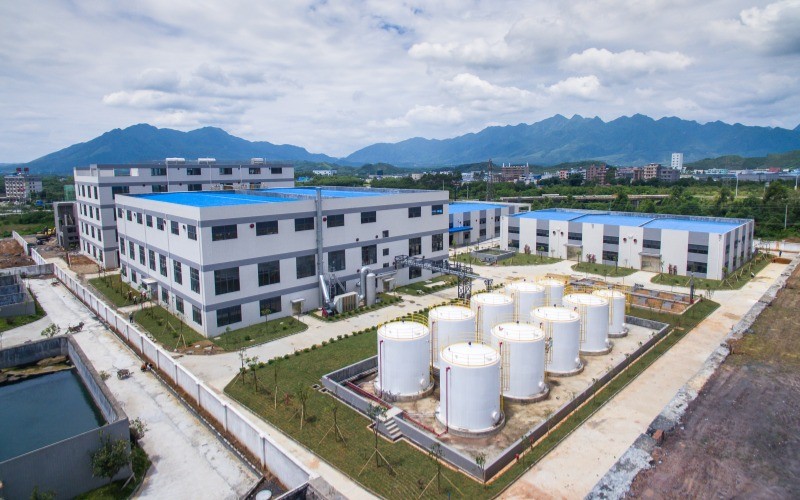
Guangdong JRace New Materials Co., Ltd. was founded in 2013 and supplies sports surfacing materials, including synthetic running tracks, sports court surfaces, prefabricated and semi-prefabricated systems, and track and field equipment. The company brings together product development, manufacturing, quality inspection, site design, global sales, construction guidance, and technical service.
JRace reports a 30,000 m² production base and material supply capacity for up to four standard 400-meter tracks per day. Its product portfolio includes systems with certifications or approvals associated with World Athletics and other sports organizations. Buyers should confirm the current certificate, product scope, validity, and project applicability for the specific system under consideration.
JRace has supplied materials for projects including the Yingdong Track at Sun Yat-sen University and the National Stadium of Tanzania. For any project, request relevant project references and documentation, then assess them against your own technical brief, schedule, and compliance requirements.
Conclusion
The right track system is the one that fits the venue’s use, regulatory obligations, site conditions, budget, and maintenance capacity. Compare different types of tracks using consistent specifications, verify certifications and safety documents, and evaluate the supplier’s technical support before making a decision. A careful review of the running track surface and the complete project scope can help owners make a more informed long-term investment.