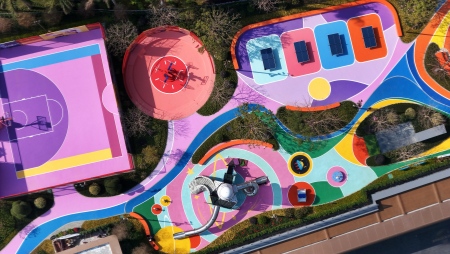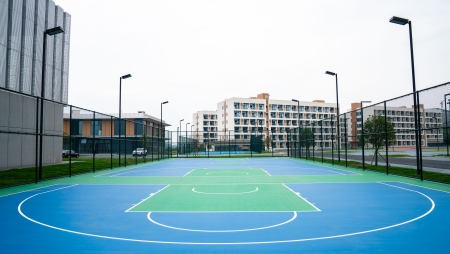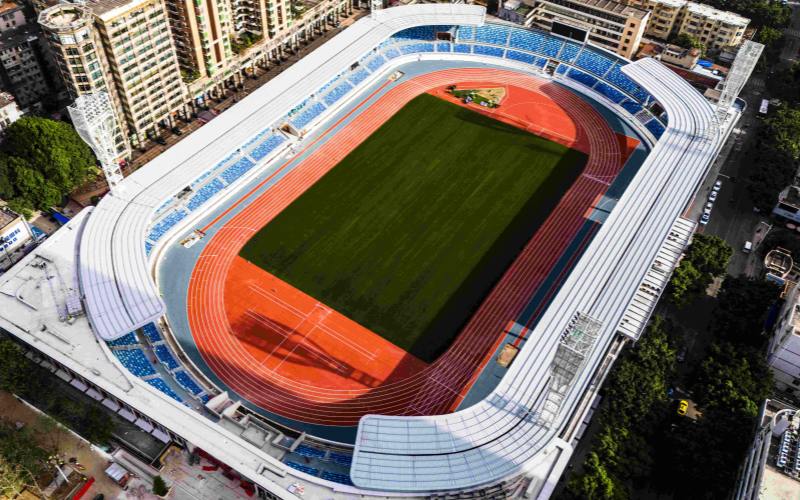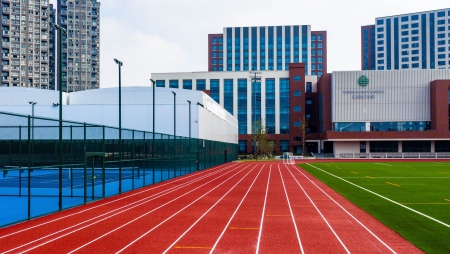


Acrylic sports courts are widely used in schools, sports facilities, and community spaces, particularly for basketball and tennis courts. They offer a wide range of color options, good weather resistance, and relatively simple maintenance.
So, how long does an acrylic sports court typically last? What factors affect its durability, and how can proper maintenance help extend its service life?
In short, with reliable material quality, a sound base, proper installation, and appropriate maintenance, an acrylic sports court usually lasts around 3 years. The actual lifespan depends on the material system, construction quality, usage intensity, and environmental conditions.
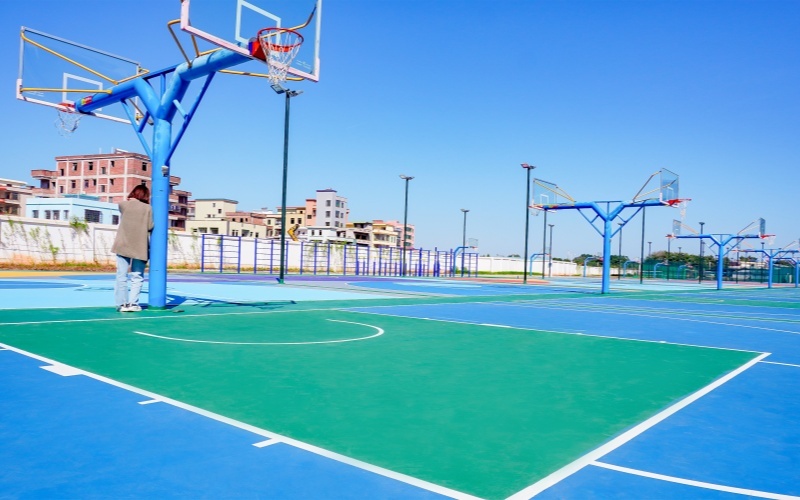
How Long Does an Acrylic Sports Court Last?
Under favorable conditions, including reliable material quality, a sound base, proper installation, and appropriate maintenance, an acrylic sports court typically has a service life of around 3 years. The actual lifespan depends on the material system, construction quality, usage intensity, and environmental conditions.
Different acrylic systems have different durability characteristics. For example, acrylic hard court systems and cushioned acrylic systems differ in their structure, sports performance, and maintenance requirements. Therefore, the expected lifespan should be evaluated according to the specific product and project conditions.
Key Factors Affecting the Lifespan of an Acrylic Sports Court
Material Quality and System Structure
The quality of acrylic materials directly affects a court's wear resistance, weather resistance, and color retention. High-quality materials generally perform better under normal sports-related wear and changing outdoor conditions.
Base Surface Conditions
The strength, flatness, and drainage performance of the base are important factors affecting court durability. Concrete or asphalt foundations should provide sufficient stability and meet the relevant installation requirements.
Construction Quality
Proper installation is essential for ensuring the service life of an acrylic sports court. Inadequate base cleaning, incorrect coating thickness, or insufficient curing after installation may compromise the integrity and durability of the surface.
Usage Frequency and Intensity
Courts at schools and training centers are often used more frequently. Their surfaces must withstand continuous running, sudden stops, and friction from sports shoes, which can accelerate wear. By comparison, community courts with lower usage frequencies may experience slower surface deterioration.
Vehicle traffic, dragging heavy objects, and other activities beyond the court's intended use can also accelerate surface damage. Properly managing how the court is used helps reduce unnecessary wear.
Climate and Maintenance
Outdoor acrylic courts are exposed to ultraviolet radiation, temperature fluctuations, and rain over extended periods. Prolonged exposure to direct sunlight, frequent temperature changes, and inadequate drainage may affect long-term surface performance.
Regularly removing dust, sand, and fallen leaves, addressing standing water promptly, and inspecting the surface for cracks, fading, or peeling can help identify problems early. Without proper maintenance, minor damage may gradually spread and increase future repair costs.
How Can You Extend the Lifespan of an Acrylic Sports Court?
Extending the lifespan of a court requires attention to three main areas: material selection, foundation construction, and routine management.
First, select an appropriate acrylic system based on the intended sport, such as basketball or tennis, and the local climate. Before installation, ensure that the base is stable, level, clean, and well-drained. Installation and curing should strictly follow the product requirements.
For acrylic court maintenance, clean the surface regularly once the court is in use and avoid damage from sharp objects or heavy equipment. If cracks, peeling, or noticeable wear appear, arrange an inspection and carry out appropriate repairs promptly.
If the damage is caused by foundation cracking or settlement, the underlying problem should be addressed first to prevent recurring repairs.
Does JRace Sports Supply Acrylic Sports Court Materials?
Yes. JRace Sports supplies acrylic sports court materials, including its REPUS hard-court acrylic series, which has received ITF (International Tennis Federation) Court Pace 5 certification.
For different types of sports facilities, JRace Sports can assist customers in selecting a suitable acrylic surface system based on the intended application, court dimensions, existing base conditions, and local climate.
About JRace Sports
JRace Sports is a sports flooring manufacturer based in Guangzhou, China, specializing in the research, development, and production of sports surface materials. Its product range includes acrylic court surfaces, Silicon PU flooring, EPDM flooring, and synthetic running track systems, providing material solutions for schools, sports facilities, community spaces, and other sports infrastructure projects.
For acrylic sports court projects, JRace Sports recommends evaluating the appropriate material system and installation requirements according to the type of sport, court area, base conditions, local climate, and expected usage intensity.
Appropriate material selection, professional installation, and systematic maintenance can help extend a court's service life and maintain its sports performance.
Conclusion
The lifespan of an acrylic sports court depends on several factors, including material quality, foundation conditions, installation methods, usage intensity, and maintenance. Through appropriate material selection, proper construction, and ongoing maintenance, project owners can reduce the risk of premature deterioration and extend the court's service life.
Frequently Asked Questions About Acrylic Sports Court Lifespan (FAQ)
Q1: How many years does an acrylic sports court typically last?
Under favorable material, foundation, construction, and maintenance conditions, a service life of around 3 years can be used as a general reference. The actual lifespan varies depending on project conditions.
Q2: Why do acrylic sports courts develop cracks or peeling?
Common causes include foundation cracks, inadequate base preparation, unsuitable construction conditions, poor coating adhesion, and drainage problems.
Q3: Does an acrylic sports court need to be recoated?
This depends on the degree of surface wear, fading, and adhesion. Localized damage may be addressed through targeted repairs, while widespread aging may require acrylic court recoating or resurfacing.
Q4: How can maintenance costs for acrylic sports courts be reduced?
Selecting an appropriate material system, ensuring proper foundation preparation and construction quality, and establishing a routine maintenance program involving cleaning, inspections, and timely repairs can help prevent minor problems from developing into more costly damage.