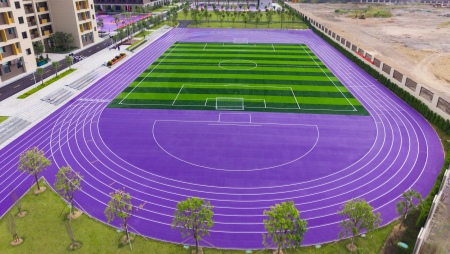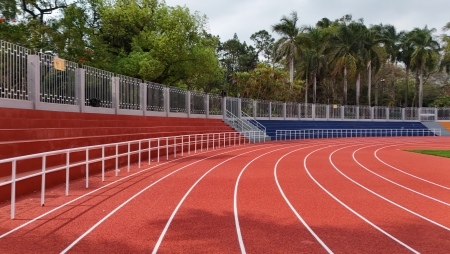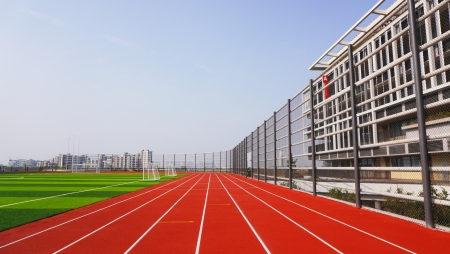



Plastic running track construction is not simply a matter of laying down a layer of synthetic material. It is a systematic process involving base preparation, material selection, construction techniques, and quality inspection. For owners building a sports facility for the first time, a lack of professional experience can easily lead to problems in design planning, foundation construction, and material selection, ultimately resulting in quality issues such as cracking, blistering, and delamination.
As a professional sports surfacing material supplier, Jrace Sport has many years of experience in running track material R&D and project guidance. Here, we introduce the key stages of plastic running track construction, as well as the major considerations for installing different types of synthetic running tracks.
1. Why Is Base Preparation Critical to Track Quality?
A synthetic running track typically consists of a base layer, elastic layer, and surface layer, with the quality of the base directly affecting the stability of the entire track system. Even when high-performance synthetic materials are used, inadequate base preparation can still lead to quality problems during long-term use.
Before construction, the base should be comprehensively inspected, including flatness, strength, cleanliness, and moisture content. A concrete base needs to be sufficiently cured to prevent moisture from affecting material adhesion, while an asphalt base must have adequate structural stability to prevent deformation from causing cracks in the running track.
Dust, oil, loose particles, and other contaminants on the base surface should also be thoroughly removed. Otherwise, they may reduce the adhesion of the adhesive and increase the risk of delamination.
2. How Is a Cast-in-Place Synthetic Running Track Constructed?
Cast-in-situ synthetic running tracks are among the most widely used on-site track systems. They typically combine polyurethane materials with rubber granules, which are installed in multiple layers to create a sports surface with elasticity, slip resistance, and wear resistance. The World Athletics classification of synthetic track systems also includes on-site constructed track systems, namely cast-in-place running tracks.
Construction generally begins with base preparation to ensure that site conditions meet the required standards. The elastic layer is then installed, followed by the surface layer, giving the track good wear resistance and slip resistance.
During construction, factors such as material mixing ratios, installation thickness, temperature, and humidity can all affect the final result. Therefore, the construction schedule and installation process should be adjusted according to site conditions to ensure the stability and consistency of the track system.
3. What Are the Construction Characteristics of Different Synthetic Running Tracks?
Common types of synthetic running tracks include Spray Coat Running Track, Full PU Running Track, Full PU Mixed Type Running Track, Semi-prefabricated Running Track, and Prefabricated Rubber Track. Understanding these differences is important when planning track and field construction and selecting a suitable system for different track construction projects.
| Track Type | Main Characteristics | Key Construction Considerations |
|---|---|---|
| Spray Coat Running Track | Rubber granule elastic layer with a polyurethane spray-coated surface layer. Offers good permeability and cost efficiency. | Ensure uniform distribution of rubber granules and consistent surface spraying quality. |
| Full PU Running Track | Uses polyurethane materials throughout the track system, providing stable elasticity and strong wear resistance. | Strict control of material mixing ratios and installation procedures is essential. |
| Full PU Mixed Type Running Track | Combines a rubber granule elastic layer with a polyurethane surface layer, balancing performance and cost. | Sufficient bonding between each layer is essential to improve overall performance. |
| Semi-prefabricated Running Track | Combines factory prefabrication with on-site installation. The semi-prefabricated underlayment reduces uncertainty during field construction. | Key considerations include sheet or roll installation, joint treatment, and bonding performance. |
| Prefabricated Running Track | Manufactured under standardized factory conditions, offering uniform thickness, stable performance, and high installation efficiency. | The site requires a very high level of flatness, while the base slope and material hardness must also meet relatively demanding requirements. |
Spray Coat Running Track
Spray Coat Running Track primarily uses a rubber granule elastic layer combined with a polyurethane spray-coated surface layer. It offers good permeability and cost efficiency and is commonly used for school playgrounds, community sports facilities, and similar applications. During construction, it is important to ensure uniform distribution of the rubber granules and maintain consistent surface spraying quality.
Full PU Running Track
Full PU Running Track uses polyurethane materials throughout the track system and offers stable elasticity and strong wear resistance, making it suitable for professional training facilities and high-standard sports venues. Because of its higher overall performance requirements, strict control of material mixing ratios and installation procedures is essential.
Full PU Mixed Type Running Track
Full PU Mixed Type Running Track combines the characteristics of a rubber granule elastic layer and a polyurethane surface layer, providing a balance between performance and cost and making it suitable for a wide range of applications. During installation, sufficient bonding between each layer is essential to improve the overall performance of the track.
Semi-prefabricated Running Track
Semi-prefabricated Running Track combines factory prefabrication with on-site installation. Its semi-prefabricated underlayment reduces uncertainty during field construction. Key installation considerations include sheet or roll installation, joint treatment, and bonding performance.
Prefabricated Running Track
Prefabricated Running Track is manufactured under standardized factory conditions, offering uniform thickness, stable performance, and high installation efficiency. Because the track is prefabricated before delivery, the site requires a very high level of flatness, while the base slope and material hardness must also meet relatively demanding requirements.
Jrace Sport's prefabricated running track features a precisely engineered two-layer structure. The special structure and manufacturing process of the bottom layer ensure strong bonding with polyurethane adhesive while providing excellent shock absorption and vertical deformation. The surface layer provides resistance to spikes, weathering, aging, and slip.
Made with industrial-grade rubber designed for more than 15 years of durability, it maintains its color under prolonged sun exposure, offers exceptional bonding strength, and delivers competition-level physical performance. Jrace Sport has provided professional prefabricated running track solutions to multiple countries, and some venues used for the China National Games have also adopted Jrace Sport prefabricated running tracks.
4. How Do Weather Conditions Affect Synthetic Running Track Construction?
Synthetic running track construction can be significantly affected by environmental conditions. Excessive humidity may allow moisture in the base to interfere with adhesive bonding and reduce material adhesion. Low temperatures can slow the curing process, while construction in high temperatures requires careful control of working time to prevent changes in material performance.
Professional construction teams therefore typically schedule installation according to local climate conditions and avoid construction during rain, high humidity, or extreme temperatures whenever possible to ensure consistent track quality.
5. How Can You Ensure Long-Term Track Performance?
A high-quality synthetic running track depends not only on premium materials but also on scientific design and standardized construction. From base preparation and material selection to on-site installation and final inspection, every stage can affect the track's service life and performance.
For track construction projects, careful coordination between material selection, site preparation, installation, and inspection can help support consistent track performance over time.
Jrace Sport focuses on the R&D and manufacturing of synthetic running tracks, sports courts, and professional sports flooring materials. We provide multiple sports surfacing solutions, including Spray Coat Running Track, Full PU Running Track, Full PU Mixed Type Running Track, Semi-prefabricated Running Track, and Prefabricated Running Track, together with professional technical support and installation guidance to help customers build safe, durable, and high-performance sports facilities.
6. What Should You Consider Before Starting a Track Project?
Before starting a synthetic running track project, it is important to consider the condition of the existing base, the selected track system, local weather conditions, installation requirements, and the quality of the materials. A clear understanding of these factors can help reduce construction risks and support a stable final surface.
• Base flatness, strength, cleanliness, and moisture content
• Suitable synthetic running track system
• Material mixing ratios and installation procedures
• Local temperature, humidity, and weather conditions
• Layer bonding and surface quality
• Final inspection and long-term performance requirements