

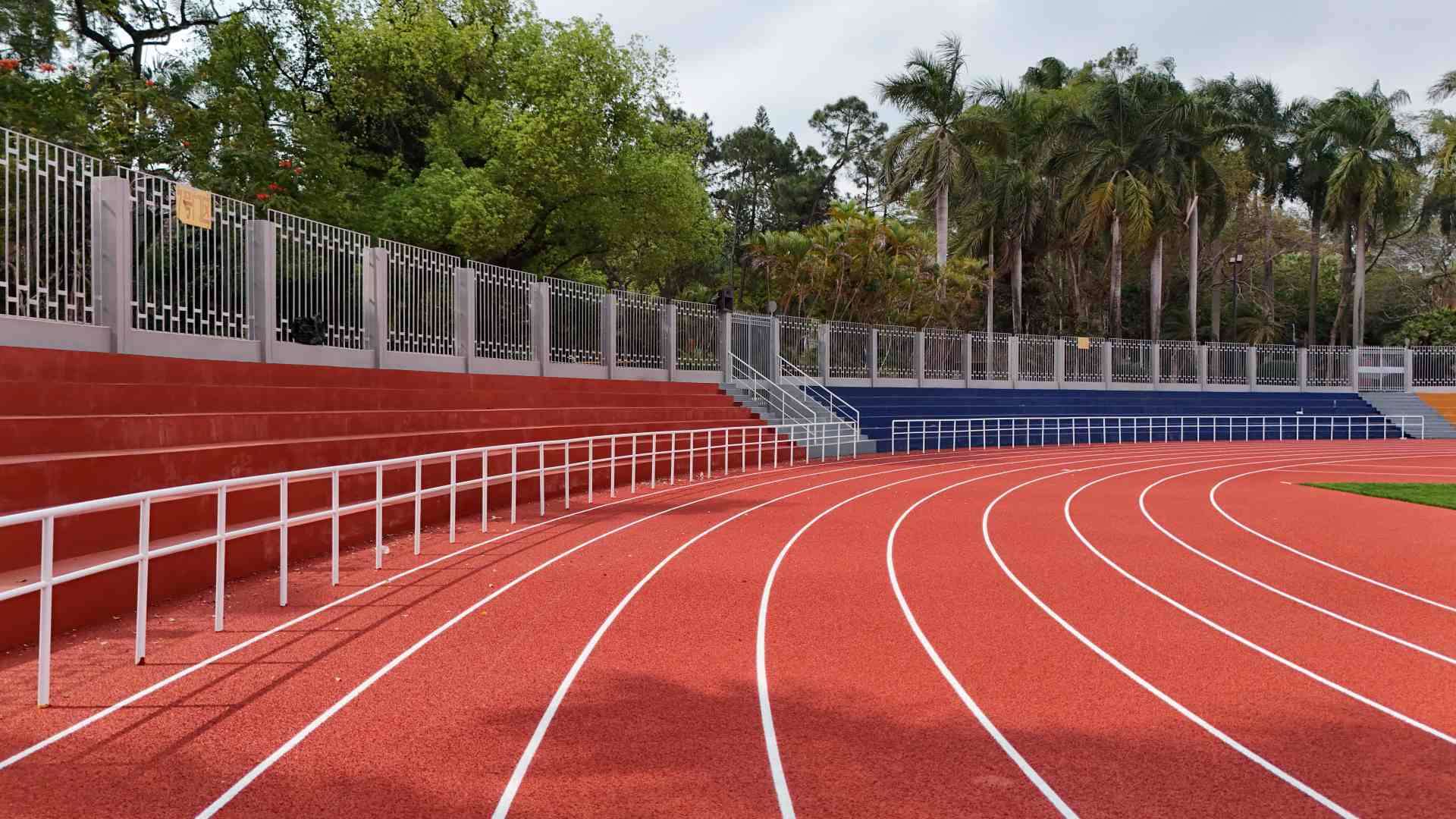
Planning a new running track is a major investment for a school, university, sports club, or community facility. But there is no single price for every project.
The running track cost depends on many factors, including the track system, total area, base condition, drainage, installation requirements, and the performance level of the surface.
This guide explains the main factors that affect the cost of a synthetic running track and how to plan your budget before starting a project.
What Determines Running Track Cost?
No two running track projects are exactly the same. Before asking for a quotation, it is important to understand what can affect the total project cost.
| Cost Factor | Impact on Cost | What to Consider |
|---|---|---|
| Track Type | High | Breathable, full-PU, sandwich, and prefabricated systems have different material and installation requirements. |
| Track Size | High | Larger areas and more lanes require more materials and installation work. |
| Base Condition | High | A damaged or uneven base may require additional repair or replacement. |
| Drainage | Medium–High | Poor drainage may require additional drainage work before installation. |
| Surface Performance | Medium–High | Higher-performance systems may require a larger initial investment. |
| Certification | Medium | Competition projects may have additional material, testing, and performance requirements. |
| Custom Design | Low–Medium | Custom colors, logos, and special markings may increase project costs. |
| Installation Complexity | Medium | Difficult site access, irregular layouts, and additional construction work can increase labor costs. |
Track Type
The type of running track system is one of the biggest cost factors.
• Breathable running track
• Full-PU running track
• Sandwich running track
• Prefabricated running track
Each system has a different structure, performance, installation process, and service life. In general, more advanced systems with higher performance requirements tend to require a larger investment.
The best choice depends on how the track will be used, the local climate, and the performance level required for the project.
Track Size and Total Area
A larger running track requires more materials and more installation work.
• Track length and layout
• Number of lanes
• Lane width
• Infield design
• Warm-up or additional running areas
When comparing quotations, make sure you understand whether the quoted price covers only the running surface or also includes other parts of the project.
Existing Base Condition
The condition of the existing base can have a major effect on the final running track cost.
A stable and well-prepared asphalt or concrete base may require only limited preparation. However, an old, damaged, uneven, or poorly drained base may need repair or replacement before the track surface can be installed.
This is why checking the site before purchasing materials is important. A low surface price does not always mean a low total project cost if major base work is needed later.
Drainage and Site Conditions
Outdoor running tracks need good drainage to handle rainwater and protect the surface.
• Local rainfall
• Existing drainage systems
• Soil conditions
• Site slope
• Groundwater conditions
• Existing site layout
Poor drainage can lead to water accumulation and may affect the long-term performance of the running track.
Surface Thickness and Performance
The thickness and structure of a synthetic running track can also affect the cost.
A basic training or community track may have different requirements from a professional competition track.
Higher-performance systems may provide better shock absorption, wear resistance, surface consistency, and long-term performance, but they may also require a higher initial investment.
Instead of choosing the cheapest system, it is better to select a surface that matches the actual use of the facility.
Certification and Competition Requirements
If the track will be used for professional training or official competitions, certification requirements may need to be considered.
Competition-level projects can have stricter requirements for materials, installation, testing, and surface performance.
For a school or community project, these requirements may be different.
Therefore, the required performance and certification level should be confirmed before selecting the track system.
Color and Custom Design
Standard colors are usually easier to produce and install.
Custom colors, logos, special markings, or other design requirements may increase the overall project cost.
For most projects, a simple design can help control the budget while still providing a professional appearance.
Installation and Project Complexity
The installation process is another important part of the total cost.
• Irregular site layouts
• Difficult access
• Curved areas
• Additional sports areas
• Base repairs
• Special design requirements
• More complicated construction conditions
When comparing suppliers, always check whether installation and technical support are included in the quotation.
Cost of Synthetic Running Track by Track Type
Different synthetic running track systems have different price levels because their materials, structures, manufacturing processes, and installation methods are different.
| Running Track Type | Cost Level | Common Applications | Main Characteristics |
|---|---|---|---|
| Breathable Running Track | Lower | Schools, community facilities, training areas | Good drainage and a more economical option |
| Sandwich Running Track | Medium | Schools, universities, sports centers | Balanced performance and cost |
| Full-PU Running Track | Medium–High | Schools, training centers, sports facilities | Good elasticity, shock absorption, and surface performance |
| Prefabricated Running Track | Higher | Professional training and competition venues | Consistent quality, durability, and high-performance requirements |
The actual cost of a synthetic running track varies by project. Material selection, site conditions, transportation, installation, and performance requirements should all be considered when comparing different systems.
Breathable Running Track
Breathable tracks are commonly used for schools, community facilities, and training areas.
They are designed with a porous structure that allows water to pass through the surface. This can make them suitable for areas with frequent rainfall.
They are generally considered a more economical option when the project does not require a high-performance competition surface.
Full-PU Running Track
Full-PU systems use polyurethane materials throughout the track structure.
They can provide good elasticity, shock absorption, and surface performance. They are often considered for schools, sports facilities, and training venues where surface performance is important.
The final cost depends on the system structure, material requirements, thickness, and installation conditions.
Sandwich Running Track
A sandwich running track combines different layers to provide a balance between performance and cost.
It is commonly used in schools, universities, sports centers, and training facilities.
The final cost of a synthetic running track using a sandwich system depends on the materials used in each layer and the requirements of the project.
Prefabricated Running Track
Prefabricated tracks are manufactured in a factory and installed at the project site.
They can provide consistent surface quality and are often selected for professional training facilities and competition venues.
The manufacturing process, transportation, installation, and project requirements all need to be considered when calculating the total cost.
What Other Costs Should You Consider?
The surface material is only one part of the total project budget.
When planning running track cost, also consider the following:
| Cost Item | Why It Matters |
|---|---|
| Site Assessment | Helps identify problems with the existing base and drainage system. |
| Base Preparation | Repair or replacement may be required before track installation. |
| Drainage | Additional drainage work may be needed depending on site conditions. |
| Transportation | Logistics costs can vary based on project location and order size. |
| Installation | Labor costs depend on the track system, location, and project complexity. |
| Testing & Inspection | Some projects may require additional testing or inspection. |
| Maintenance | Cleaning, repairs, and future resurfacing should be considered as long-term costs. |
| Technical Support | Professional guidance can help reduce installation mistakes and unexpected rework. |
Initial Cost vs. Long-Term Value
When comparing running track systems, it is easy to focus only on the initial price.
However, a lower initial cost does not always mean lower total cost over the life of the track.
A track with better materials and proper installation may require less repair and provide more stable performance over time.
• Expected service life
• Maintenance requirements
• Surface performance
• Repair needs
• Installation quality
• Warranty and technical support
• Future resurfacing requirements
Looking at the total life-cycle value can help you make a better decision than comparing the material price alone.
How to Control Your Running Track Cost
You do not always need the most expensive track system to get a good result.
Choose the Right Track System
Match the track system to the actual use of the facility.
A community track may not need the same specifications as an international competition venue, while a professional training facility may require a higher-performance surface.
Check the Base Before Ordering Materials
A site inspection can help identify potential problems early.
Knowing the condition of the base and drainage system can make the quotation more accurate and reduce unexpected costs during construction.
Compare Complete Quotations
Do not compare suppliers based only on the material price.
• Materials
• Installation
• Transportation
• Base preparation
• Drainage work
• Line marking
• Testing
• Technical support
A complete quotation makes it easier to understand the real project cost.
Consider Maintenance From the Beginning
A good maintenance plan can help keep the surface in better condition and reduce unnecessary repair costs.
Ask the supplier about recommended cleaning, inspection, repair, and maintenance procedures before making your decision.
Why Choose an Integrated Running Track Supplier?
The supplier you choose can also affect the total project cost.
Working with a supplier that provides both running track materials and technical support can make project coordination easier. It can also help reduce problems caused by communication gaps between material suppliers and installation teams.
JRACE provides several synthetic running track systems, including breathable, full-PU, sandwich, semi-prefabricated, and prefabricated systems. This allows different projects to select a surface according to their application, performance requirements, and budget.
| JRACE Capability | Benefit for Your Project |
|---|---|
| Multiple Track Systems | Choose a system based on application, performance, and budget. |
| Automated Production | Supports stable and efficient production. |
| World Athletics Certified Products | Suitable for projects with higher performance or certification requirements. |
| Technical Support | Guidance for base preparation and track installation. |
| Integrated Supply | Materials and technical support from one supplier can simplify project coordination. |
JRACE also operates an automated production facility with a reported 30,000 m² production base and annual production capacity of 120,000 tons. The company states that its automated production process helps improve manufacturing efficiency and product consistency.
For projects that require higher performance or certification, JRACE's product portfolio includes systems with World Athletics (WA) certifications. The company also states that it has received Grade A approvals from the Chinese Athletics Association for its full-PU and non-porous full-PU running track systems.
Beyond materials, JRACE provides technical guidance related to base preparation and running track installation. This type of support can help project owners better coordinate material selection, site preparation, and construction.
For a project owner, the benefit is not simply choosing a track material. It is choosing a system and supplier that can support the project from material selection to installation.
What Information Should You Give a Supplier?
To receive a more accurate running track quotation, prepare as much project information as possible.
• Track size and layout
• Number of lanes
• Existing base condition
• Site location
• Drainage condition
• Intended use
• Required performance level
• Certification requirements
• Preferred track system
• Color and design requirements
• Installation requirements
Photos, drawings, and site plans can also help suppliers better understand the project.
Final Thoughts
There is no fixed answer to how much a running track costs because every project is different.
The running track cost is affected by the track system, site condition, total area, drainage, installation, performance requirements, and long-term maintenance.
When comparing the cost of a synthetic running track, look beyond the initial material price. A suitable track system, a stable base, professional installation, and proper maintenance can all contribute to better long-term value.
JRACE offers multiple running track systems together with production capabilities and technical support for different project requirements. Whether the project is a school track, university facility, sports center, or competition venue, the right solution should be selected based on actual use, site conditions, performance needs, and overall project budget.
The best running track is not necessarily the cheapest one. It is the system that provides the right balance of performance, durability, installation requirements, and budget for your specific project.