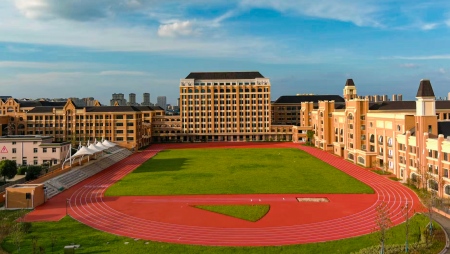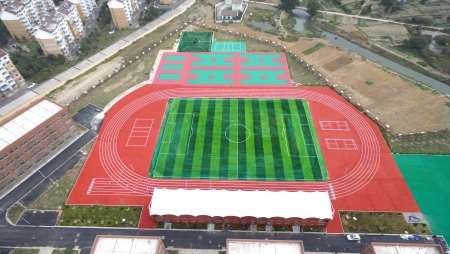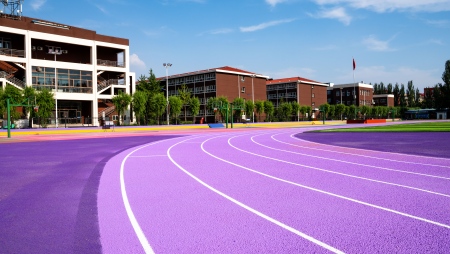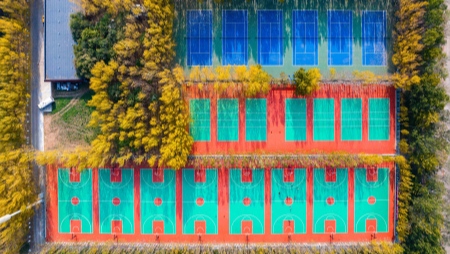


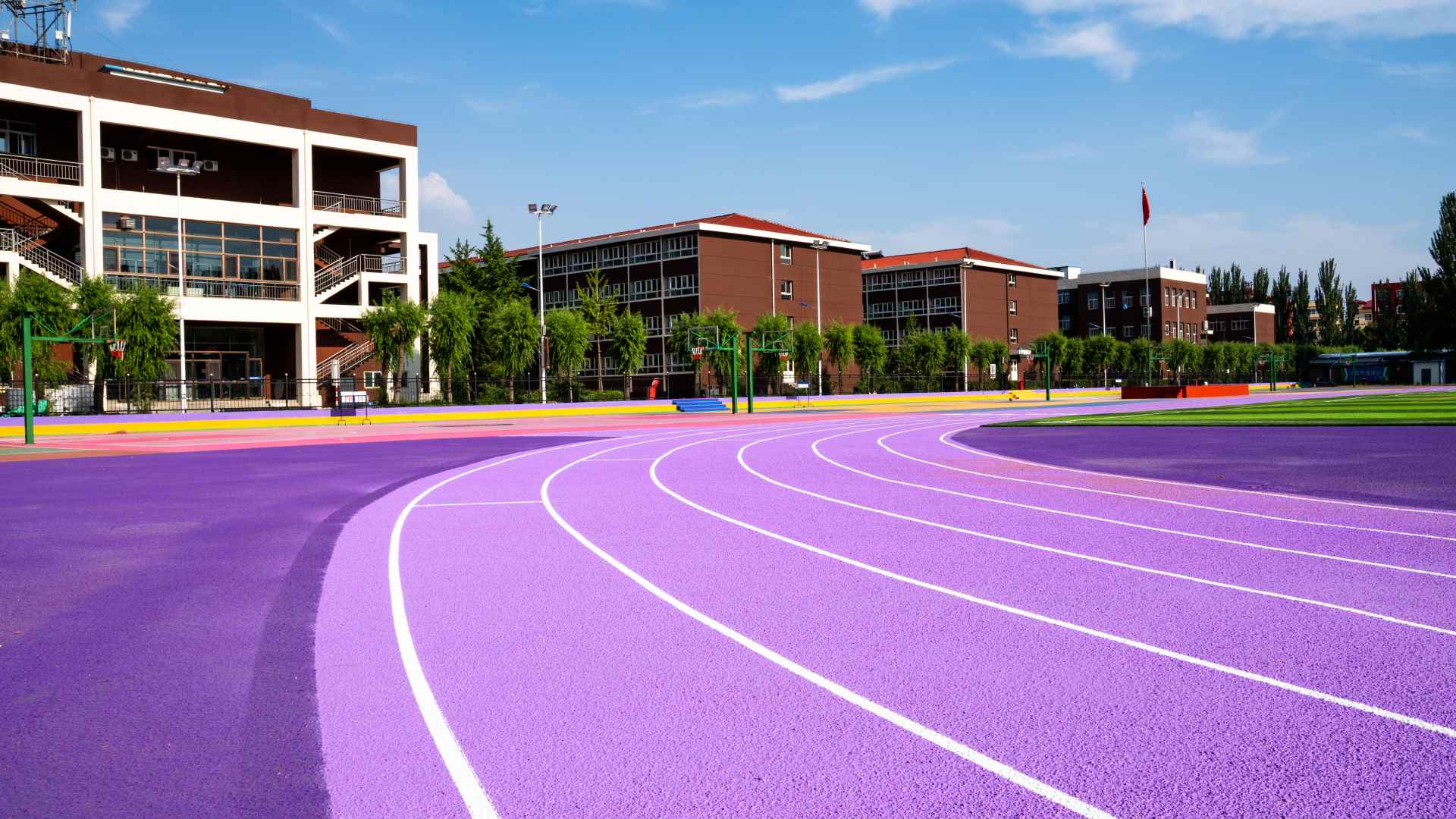
As an international sports surfacing manufacturer, JRACE Sport has installed more than 100 million square meters of sports flooring worldwide and has more than 20 years of construction and installation guidance experience. With professional international logistics services and a specialized team that evaluates installation and design solutions according to local conditions, JRACE Sport provides a wide range of solutions for universities, primary schools, and secondary schools around the world.
Building a synthetic running track for schools is a systematic project involving more than the selection of running track materials. It also requires careful planning of the site, base construction, installation process, construction schedule, and post-construction maintenance.
A high-quality school running track should meet the needs of students' daily physical activities while balancing safety, durability, athletic performance, and long-term maintenance requirements.
1. Start with Proper Track Base Construction
A synthetic running track is not simply a layer of material installed on the ground. The quality of the base layer directly affects the long-term performance of the finished track.
Before construction begins, the existing site should be inspected for several important factors:
• Surface flatness
• Base strength
• Drainage capacity
• Overall base stability
Inadequate base preparation may result in problems such as cracking, bubbling, or delamination after the synthetic surface is installed.
Synthetic running tracks are typically installed over either a concrete base or asphalt base. During construction, the base should provide sufficient load-bearing capacity, while an effective drainage system should be established to prevent standing water from affecting track performance.
For new school projects, drainage should be considered during the early planning stage so that rainwater can be discharged efficiently. This helps reduce the impact of moisture on running track materials.
For renovation projects, the existing base should be carefully assessed and repaired according to its actual condition. A suitable base provides a stable foundation and helps the new synthetic surface bond properly.
2. Choose the Right Running Track Material and Installation Method
After the base construction is completed, the project moves to the running track material installation stage. Different types of synthetic running tracks have different installation methods and performance characteristics.
For cast-in-place running tracks, the installation process generally includes primer application, surface spraying, and track line marking. Construction workers need to properly control the material mixing ratio, mixing time, and installation thickness to achieve a uniform track surface.
For Full PU Running Track systems, polyurethane materials are generally installed as an integrated system, providing elasticity, impact resistance, and weather resistance.
Prefabricated Running Track systems are manufactured in a factory and then transported to the project site for installation. This production method can provide greater consistency in the manufactured track material.
When selecting an outdoor school running track surface, project owners should also consider the local climate, expected usage, maintenance requirements, and installation conditions rather than focusing on one factor alone.
Consider the Local Construction Environment
Environmental conditions can affect the installation and curing of synthetic running track materials. Temperature, humidity, and weather conditions may influence material reactions and curing times.
Professional installation teams generally schedule construction according to local climatic conditions and avoid critical installation procedures during continuous rainfall, high humidity, or extreme temperatures.
3. Choose the Right Construction Time for a School Running Track
Proper scheduling is an important part of running track construction. Schools have busy teaching schedules, so many projects are constructed during summer or winter holidays or other periods when classes are not in session.
Longer school holidays provide more continuous working time for base preparation, material installation, curing, and maintenance. This can also reduce disruption to students and teachers.
Summer Construction
Summer is a common construction period for school running tracks. However, high temperatures require careful management.
Excessively high temperatures can accelerate material reactions and shorten the available working time. If construction is not properly managed, this may affect the quality of the finished track surface.
Winter Construction
Winter construction requires greater attention to low temperatures. Low temperatures may slow material curing and extend the construction period.
When building running tracks in cold regions, local climatic conditions should therefore be assessed in advance and the construction schedule should be planned accordingly.
In general, suitable construction conditions include stable weather, moderate temperatures, and relatively low humidity. Developing the construction schedule according to local climate conditions can help improve the quality of the completed running track.
4. Inspect and Maintain the Running Track After Construction
Completing the installation does not mean that the school running track can immediately be opened for use. Synthetic materials require a certain curing period to allow their performance to stabilize.
Before official use, the running track should undergo quality inspection. Depending on the project requirements, inspection may include:
• Track thickness
• Surface flatness
• Elasticity
• Slip resistance
• Overall surface condition
For school projects requiring competitions or higher performance standards, more comprehensive professional testing can also be conducted.
Regular Maintenance Matters
Proper maintenance is important for keeping a synthetic running track for schools in good condition during daily use.
Sharp objects should be prevented from repeatedly damaging the track surface. Leaves, sand, and other debris should also be removed promptly.
The running track should be inspected regularly for localized damage or other visible problems. Early inspection and appropriate maintenance can help extend the service life of the track and maintain a suitable sports environment for students.
5. How to Choose the Best Running Track Surface for Schools?
Choosing the best running track surface for schools requires consideration of the project's actual conditions rather than simply selecting the most expensive or most advanced system.
Project owners and contractors should consider factors such as:
• Intended daily usage
• Student and athlete requirements
• Indoor or outdoor application
• Local climate conditions
• Existing base condition
• Installation requirements
• Maintenance needs
• Available project budget
Different running track systems can provide different characteristics and installation solutions. Therefore, professional advice from an experienced supplier can help schools select a suitable system according to their specific project requirements.
Why Choose a Professional Running Track Supplier?
The successful construction of a synthetic running track for schools requires close coordination between the material supplier, design team, and installation team. From material selection to installation guidance, each stage can affect the final result.
JRACE Sport is a professional sports surfacing material supplier specializing in cast-in-place, semi-prefabricated, and prefabricated running track and jogging track materials.
JRACE Sport also provides sports surfacing solutions for basketball courts, tennis courts, pickleball courts, and other sports facilities. With years of industry experience, JRACE Sport is committed to providing schools, sports venues, and professional training facilities with reliable sports flooring products and professional technical support.
Professional Technical and Installation Support
JRACE Sport provides technical recommendations and installation guidance according to project requirements. Its specialized team can evaluate installation and design solutions based on local conditions, helping customers select suitable materials and develop practical project solutions.
For international school projects, professional communication and installation support can also help local construction teams better understand material requirements and installation procedures.
Conclusion
Building a school running track involves several important stages, from site assessment and base construction to material installation, curing, inspection, and maintenance.
The right material alone cannot guarantee a high-quality result. Proper base preparation, suitable construction conditions, professional installation, and regular maintenance all contribute to the long-term performance of the track.
For schools planning a new running track or renovating an existing facility, working with an experienced sports surfacing supplier can help ensure that the selected system and installation solution match the project's actual requirements.
If you are planning a school running track construction project, JRACE Sport can provide professional material recommendations and installation solutions according to your project requirements.